
Sacred Languages & Mantrā
Explore the sounds, languages and living traditions that shape yoga practice
17 October, 1pm-4.15pm BST
Sanskrit, Pāli and Gurmukhī/Punjabi each carry distinct histories, philosophies and spiritual contexts. This course explores how sound, language and mantrā shape practice while asking important questions about power, access, caste, colonialism and cultural responsibility.
You will learn pronunciation and transliteration, investigate key yoga vocabulary, compare related terms across traditions and engage with mantrā as a practice of sound, attention and relationship.
This course qualifies for continuing education hours with Yoga Alliance. When you enroll in the 300-Hour YTT, the fee for this course will be fully discounted from the full training cost.
Format: Pre-recorded video sessions
Topic: Sacred sound, mantrā and devotional practice
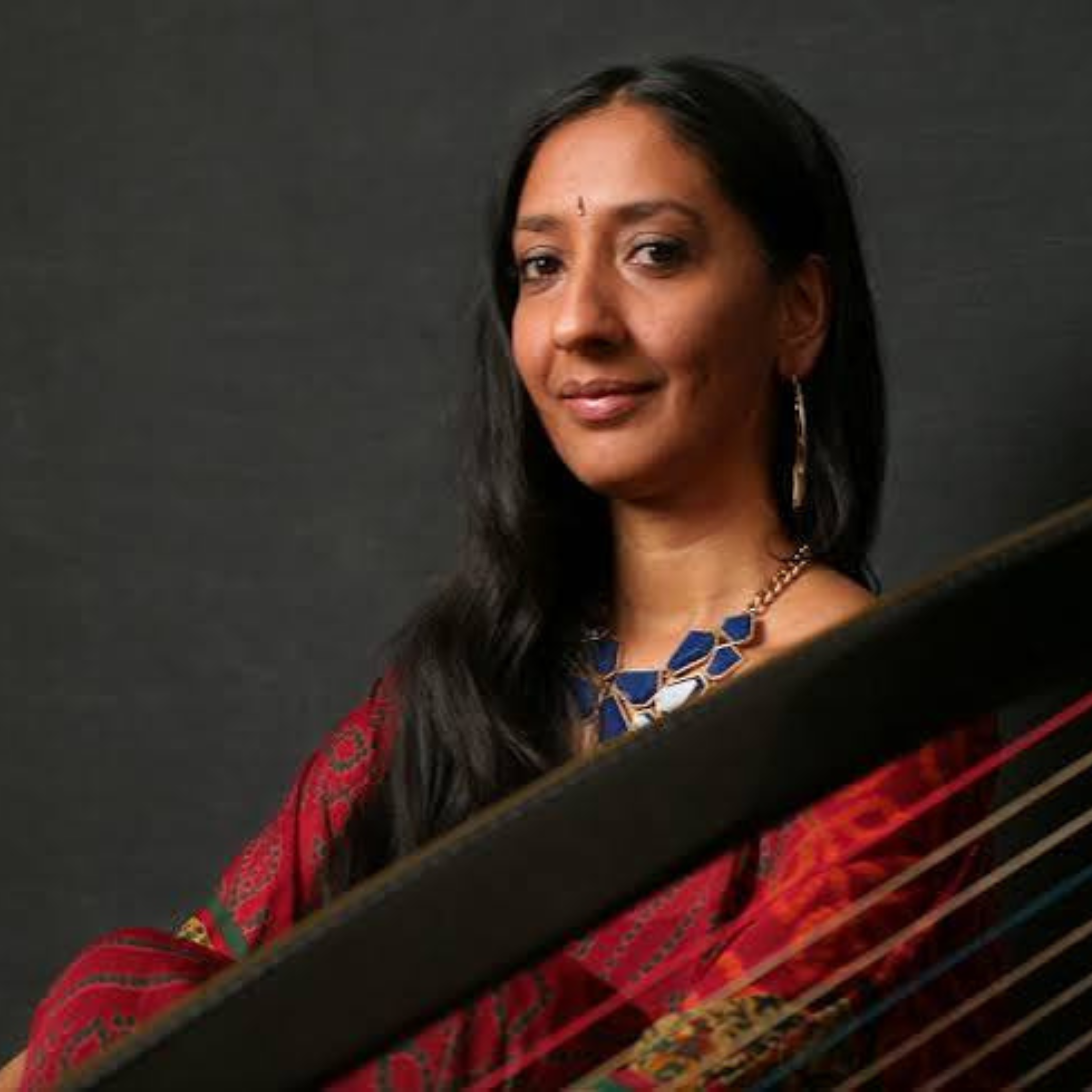
Sheela Bringi (she/her) is a sacred music artist, educator and practitioner rooted in Indian devotional and classical lineages.
Raised in a family steeped in Bhakti and trained with respected teachers in Hindustani classical music, her work is grounded in ongoing study, relationship and reverence for the traditions she carries.
Through voice, Bansuri flute, harp and harmonium, she creates immersive sonic spaces that honour the depth and integrity of these practices.
A faculty member at Naropa University, Sheela teaches Indian devotional and Rāga singing, as well as sacred Sanskrit and mantrā.
Her music - featured on over 50 albums, including the Grammy-nominated Bhakti Without Borders - bridges ancestral and contemporary sound worlds.
Through performance, teaching and her co-founded Sacred Sound Lab, she is devoted to honouring the roots of these practices while making them accessible in ways that remain grounded, relational and respectful.
In this session, Sheela shares her approach to mantrā as sound, relationship and devotion, with guided practice and teaching that supports both personal sādhanā and informed, respectful use of mantrā in yoga spaces.
Date: 17 October
Time: 13:00–16:15 BST (with one 15-minute break)
Format: Two 1.5-hour teaching blocks with a short break in between
Topic: Sacred Languages & Mantrā
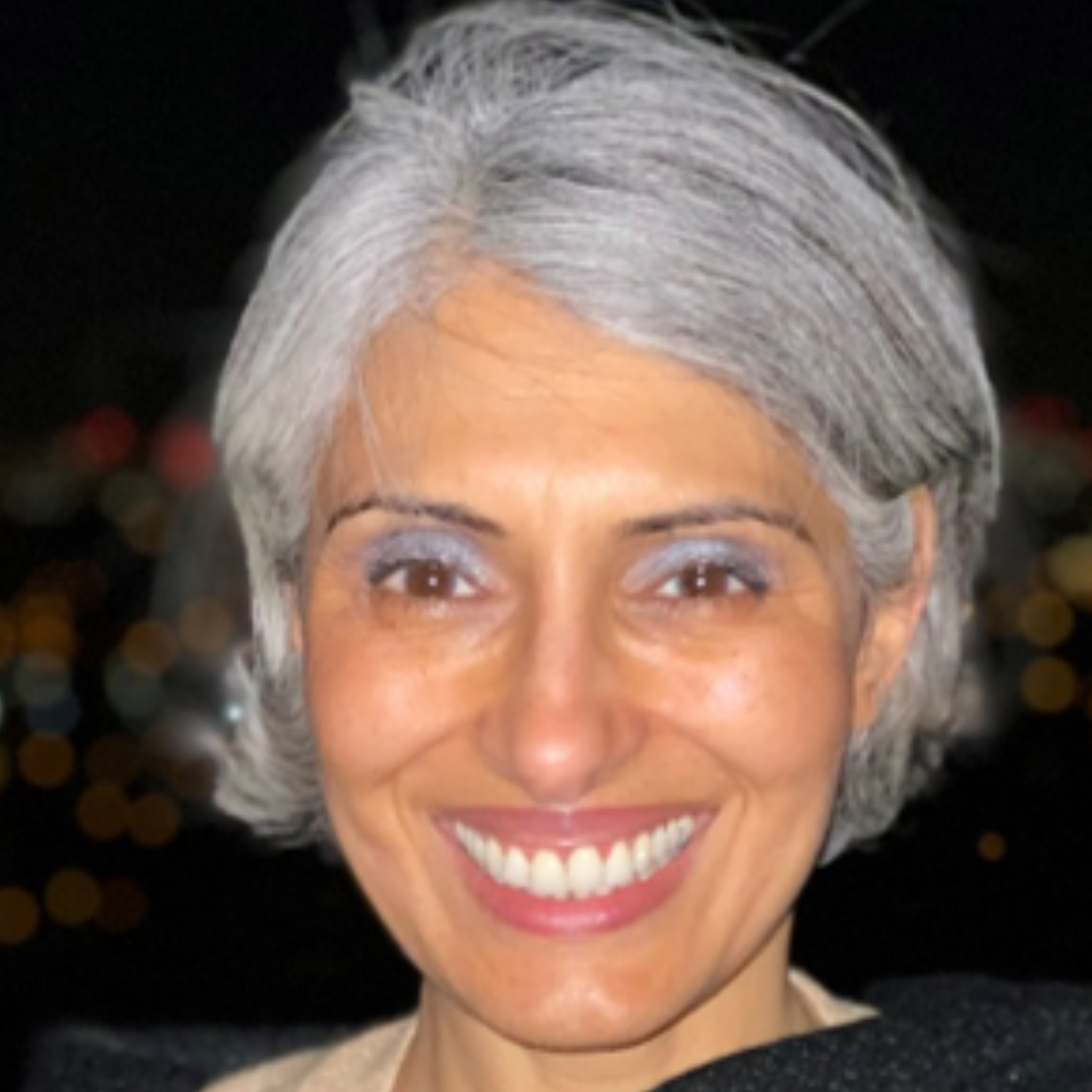
Kallie Schut is co-founder and lead trainer at Radical Darshan. In this live online session, she guides participants through:
Core concepts from the Sacred Languages & Mantrā manual.
Pronunciation and transliteration practice.
Mantrā, bīja and mudrā as embodied practices.
How to teach and hold these practices with care, context and accountability.
Q&A and group reflection.
This session will help you integrate the manual and recorded teaching into your own practice and teaching.
This course invites you to move beyond memorising Sanskrit names and repeating sounds without context. You will explore how language works through the body, how pronunciation is shaped by the mouth and breath, and how words carry histories, relationships and philosophical meanings.
Together, we will study Sanskrit, Pāli and Gurmukhī/Punjabi while paying attention to the distinctions between these traditions. Shared vocabulary does not always mean shared theology, and similar looking words are not necessarily interchangeable.
You will also examine how language can reproduce or challenge power, hierarchy and exclusion, and how respectful engagement with sacred language can support more ethical, informed and inclusive yoga teaching.
By the end of this course, you will be able to:
Pronounce a range of common Sanskrit sounds and yoga terms with greater confidence
Recognise and use key IAST diacritical marks
Explain the difference between Sanskrit, Pāli, Gurmukhī and Punjabi
Identify how language can reproduce or challenge power and exclusion
Describe the four levels of Vāk and their relationship to sound and consciousness
Explain the relationship between A-U-M, silence and the four states of consciousness
Distinguish between mantrā, sutta, mantar, nām and simran in their respective traditions
Approach mantra practice with greater clarity, respect and cultural awareness
Use common yoga vocabulary more accurately and contextually
Reflect on how language, caste, colonialism and religious authority have shaped access to knowledge